Copyright 2024 © Oceania Enviro Pty. Ltd. All rights reserved.


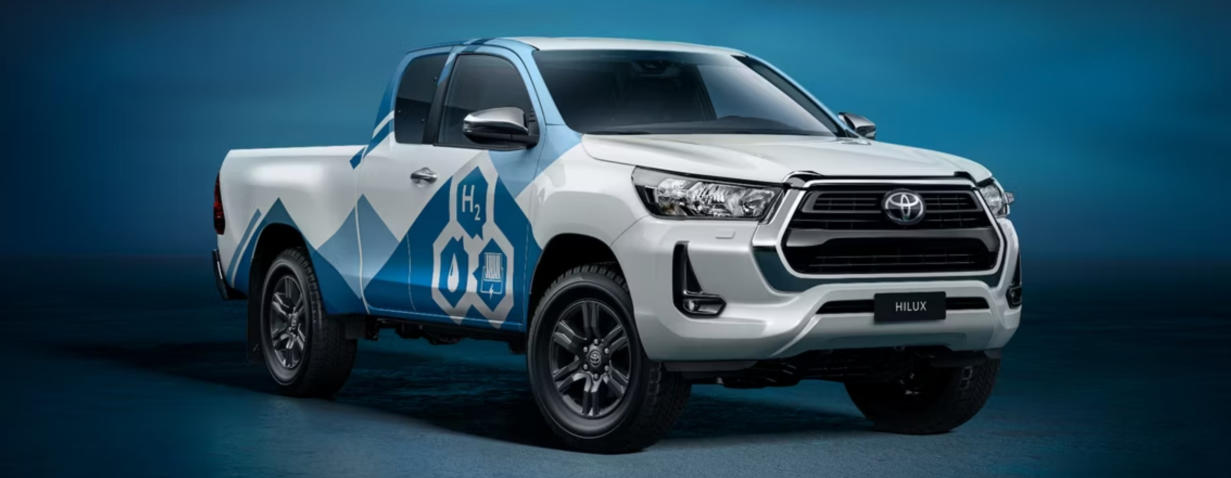
10 Ways Toyota's Hydrogen Combustion Engine
Could Revolutionize Performance
Toyota's hydrogen combustion engine has the potential to revolutionize performance, offering high power
output with low emissions
As the world continues to shift towards more sustainable and eco-friendly options, automakers are
actively searching for new ways to reduce carbon emissions and improve performance. Toyota has long
been a leader in developing alternative fuel vehicles, and its latest innovation is a hydrogen combustion
engine that could change the game. The hydrogen combustion engine from Toyota is anticipated to deliver
increased power, longer range, and faster refueling times than standard gasoline engines do. Additionally,
hydrogen-powered vehicles emit just water vapor, making them much more eco-friendly than regular
gasoline-powered vehicles and allowing us to reduce our carbon footprint. Its lightweight design can
contribute to better handling, improved performance, and overall drivability.
As the technology continues to improve, the cost of producing hydrogen will be cost-effective, making
hydrogen-powered vehicles more accessible in the long run. Overall, Toyota's hydrogen combustion engine
is an exciting and groundbreaking development for the automotive industry, offering consumers a range
of potential benefits, as well as helping to protect our environment. Here are 10 ways that Toyota's
hydrogen combustion engine could revolutionize performance and what this means for the future of
sustainable transportation.
1.
More Power With Toyota's Hydrogen Engine
Toyota's hydrogen combustion engine has the potential to deliver more power than traditional gasoline
engines of the same size. The key to this is that hydrogen fuel is burned more efficiently than gasoline,
which allows for more power to be extracted. In addition, the hydrogen combustion engine is designed to
have a higher compression ratio than traditional gasoline engines, which further enhances its power
output. The potential added power would bring numerous advantages when it comes to performance: it
could translate into faster acceleration, higher top speeds, and improved overall proficiency on the
highway or racetrack. Plus, it could mean small and lighter engines in vehicles, leading to better handling
and all-around performance. Nonetheless, the potential for increased power is an exciting aspect of
Toyota's hydrogen combustion engine that could revolutionize performance.
2.
Lower Emissions
One of the significant advantages of Toyota's hydrogen combustion engine is its lower emissions.
Hydrogen-powered vehicles emit only water vapor, which makes them much cleaner than traditional
gasoline-powered vehicles. Hydrogen combustion produces zero greenhouse gas emissions, making it an
ideal alternative to gasoline and diesel-powered vehicles that produce harmful emissions that contribute
to climate change and air pollution. Additionally, hydrogen fuel cells provide more efficient energy use;
they create less heat and have fewer moving parts than combustion models, thus further lowering their
emissions. With this in mind, hydrogen-powered cars could play a major role in curtailing greenhouse gas
emissions and bettering air quality making them an appealing option for environmentally conscious
consumers and governments. Utilizing hydrogen as a fuel source could help to cut the transportation
sector's carbon footprint which is one of the largest contributors to global warming.
3.
They'll Offer Longer Range Than Their Fuel-Powered ICE or EV Counterparts
A major plus for Toyota's hydrogen combustion engine is its increased range. In comparison with electric
vehicles, hydrogen-powered vehicles are capable of traveling further without needing to reload, making
them an attractive option for those who need to take long trips without having to worry about finding a
charging station. For example, Toyota's Mirai fuel cell car can provide an impressive 402 miles with a single
tank. This contrasts with the majority of electric ones that generally go no more than 300 miles on one
charge. This makes hydrogen-powered vehicles more practical for long-distance travel and also in areas
where electric charging infrastructure is limited. In conclusion, their greater range might make these cars
the more appealing choice for drivers who need to travel great distances without compromising on either
comfort or power.
4.
Faster Refueling When Compared To Charging EVs
One of the key advantages of a hydrogen-powered vehicle with a combustion engine is that it can be
refueled in just a few minutes, which is significantly faster than recharging a battery-powered electric
vehicle. While electric vehicles need to be charged for several hours to reach full capacity, hydrogen-
powered vehicles can be refueled in a similar amount of time to a traditional gasoline vehicle. The process
of refueling a hydrogen-powered vehicle is not too dissimilar from that of an ordinary fuel car. Drivers
simply need to fill the tank at a nearby hydrogen fueling station, and, it's done in only a few minutes. This
fast refueling time is especially important for long-distance travel, where drivers may need to make
frequent stops to refuel. Rapid refueling times make this technology particularly desirable as it has the
ability to transform the way people drive and interact with cars forever.
5.
Lightweight Engines
The hydrogen combustion engine is considerably lighter than classic gasoline engines, which can result in
improved performance and handling. This is mainly because it has fewer parts compared to a traditional
fuel-powered engine. It doesn't require a heavy transmission or exhaust system, which is necessary for a
traditional engine. Additionally, the combustion of hydrogen results in fewer byproducts, reducing the
need for large and heavy exhaust systems. One of the advantages of having a lighter engine is that it can
cause lower fuel consumption and better handling since the car will need less power to cover the same
distance. Altogether, with its lighter weight, the hydrogen combustion engine could provide a nimbler and
more effective driving experience, most useful for sports cars and other fast vehicles where weight
reduction is key to increasing output.
6.
Expect Toyota's Hydrogen-Powered Cars To Eventually Get Cheaper
The cost of producing hydrogen has historically been a barrier to the widespread adoption of hydrogen-
powered vehicles. However, as technology has advanced and is more generally accepted, the cost of
producing hydrogen has begun to decrease. This reduction in cost is due to a variety of factors, including
advances in hydrogen production technology, economies of scale, and increased competition within the
hydrogen-producing business. As the cost of producing hydrogen decreases, it is expected that the cost of
hydrogen-powered vehicles will also decrease. This could make hydrogen-powered vehicles more
affordable for consumers. In comparison to battery-operated EVs which require expensive batteries and
charging infrastructure, hydrogen vehicles might eventually be less costly to manufacture and operate.
This may lead to a market shift towards this type of powertrain, notably in markets where fuel is pricey or
renewable resources are abundant.
7.
Better Performance At High Altitudes
Hydrogen-powered vehicles have a unique advantage over gasoline-powered is that they can perform
better at high altitudes compared to gasoline-powered vehicles. This is because the air at high altitudes is
less dense, which can affect the performance of gasoline engines that rely on oxygen to burn fuel. With
hydrogen combustion engines, oxygen isn't needed for hydrogen fuel to combust; instead, a chemical
reaction produces water vapor and electricity to power the car's electric motor. This means that
performance levels remain consistent regardless of air density. This makes them a more reliable and
efficient choice for drivers who live or travel in mountainous regions. Additionally, the lighter weight of
hydrogen combustion engines can also contribute to better performance in mountainous terrain, as the
engine won't have to work as hard to provide speed and acceleration due to its lighter weight.
8.
Quieter Driving with Toyota's Hydrogen Engine
One of the advantages of Toyota's hydrogen combustion engine is that it is much quieter than traditional
gasoline engines. This is because the hydrogen combustion process is much smoother and produces
fewer vibrations compared to a traditional engine. In addition, hydrogen engines typically use electric
motors, which are inherently quieter than combustion engines. Reduced noise levels so the car sounds
good, which provided a more comfortable driving experience for the driver and passengers. It can also
reduce noise pollution in urban areas, which can have a positive impact on the environment and people's
health. The reduced noise level is one of the many benefits of the hydrogen combustion engine, making it
an attractive alternative to traditional combustion engines. Moreover, the quieter operation of hydrogen
engines allows for an immersive driving experience, permitting drivers to focus better on the roads & their
environment.
9.
A Lot More Economical Compared To Traditional Internal Combustion Engines
The key advantage of Toyota's hydrogen combustion engine is its improved efficiency. This is because
hydrogen is a more energy-dense fuel than gasoline, which means that more energy can be extracted from
a smaller amount of fuel. Furthermore, hydrogen engines can work at higher temperatures compared to
gasoline engines, further boosting their effectiveness. With improved performance come many benefits
for drivers. For example, better fuel economy leads to fewer trips to the gas station and spending less
money on fuel. In conclusion, Toyota's hydrogen combustion engine packs impressive efficiency and
makes it an outstanding choice for drivers who want an economical and sustainable mode of
transportation. As technology keeps improving, we may expect even greater improvements in the efficacy
of hydrogen-powered automobiles which could further drive their adoption in the years ahead.
10.
Toyota's Hydrogen Engines Will Give A New Lease Of Life To Internal Combustion Engines
Using hydrogen as a fuel source for transportation presents a more sustainable alternative than gasoline-
powered vehicles. Unlike gasoline, a finite resource that emits pollutants upon burning, hydrogen is
renewable and can be generated through multiple methods, including clean energy sources such as wind
and solar. The production of hydrogen fuel produces zero carbon emissions when renewable energy
sources are used. This means that hydrogen-powered vehicles have the potential to be completely
emissions-free, making them a more sustainable option for transportation. In addition to being a more
sustainable fuel source, the use of hydrogen fuel can also help reduce our dependence on foreign oil, as
hydrogen can be produced domestically. With the construction of more hydrogen refueling stations, the
infrastructure to support these cars will expand, making them an attractive option for people attempting
to reduce their environmental footprint.
OCEANIA ENVIRO PTY. LTD.
ACN: 635 220 487 ABN: 18 635 220 487
Global HQ - Gold Coast Hwy, Surfers Paradise 4217, Gold Coast, Queensland Australia.
Greece HQ - Leoforos Vouliagmeni Glyfada 16674, Athens, Attika Greece
CONTACT
Tas Mavroulis (Principal) - Mob: 0474 868 876
Email: oceaniaenviro@bigpond.com


